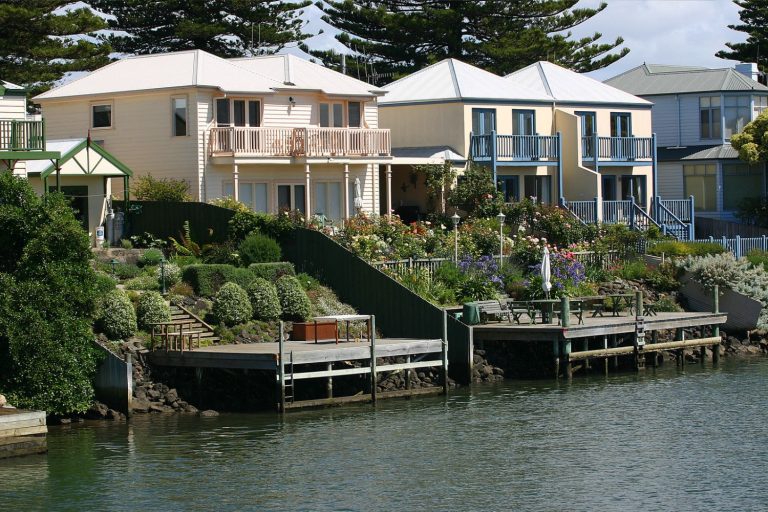
Owning a waterfront home in Nova Scotia offers a lifestyle that many homebuyers dream about. Imagine waking up to ocean views, spending summer evenings beside a lake, or enjoying direct access to the shoreline just steps from your door. From coastal properties along the Atlantic Ocean to peaceful lakefront homes throughout the province, Nova Scotia offers a variety of waterfront living opportunities.
However, buying a waterfront property involves more than choosing a beautiful location. Shoreline conditions, property boundaries, insurance requirements, maintenance costs, and environmental considerations can all affect the long-term value and enjoyment of your investment.
Whether you’re searching for an oceanfront home near Halifax, a lakefront property in Fall River, or a coastal retreat elsewhere in Nova Scotia, understanding these factors can help you make a more informed decision.
This guide explains what buyers should consider before purchasing a waterfront home in Nova Scotia, including property inspections, ownership responsibilities, and questions to ask before making an offer.
Not all waterfront homes offer the same experience. Before beginning your search, consider what type of waterfront lifestyle best suits your needs.
Oceanfront properties offer coastal views, access to the shoreline, and the opportunity to enjoy Nova Scotia’s maritime landscape. Depending on the location, these homes may provide opportunities for kayaking, beach walks, boating, and other outdoor activities.
However, coastal properties may face exposure to strong winds, salt air, storm surges, shoreline erosion, and changing weather conditions. These factors can influence maintenance requirements, insurance availability, and long-term property considerations.
Lakefront properties are popular among buyers looking for swimming, kayaking, fishing, and peaceful surroundings. Communities around Halifax, including areas near Fall River, offer opportunities to explore properties close to lakes and other natural features.
When considering a lakefront home, investigate water access, shoreline condition, seasonal water levels, and any restrictions affecting docks or other waterfront structures.
Riverfront homes can offer scenic views and convenient access to outdoor recreation. However, buyers should investigate flooding history, water levels, erosion, and the property’s exposure to changing river conditions.
The key is to evaluate the waterfront itself, not just the house. The quality of the shoreline, permitted uses, and long-term maintenance requirements can significantly influence your ownership experience.
One of the most important considerations when buying waterfront real estate in Nova Scotia is determining exactly what you are purchasing.
A property advertised as waterfront does not automatically guarantee unrestricted access to every part of the shoreline or permission to build structures along the water.
Before making an offer, clarify the following:
Does the property have direct and legally established waterfront access?
Where are the surveyed property boundaries?
Are there registered easements or rights-of-way affecting access?
Are any docks, decks, stairs, or shoreline structures included in the sale?
Are there restrictions on how the waterfront can be used?
Does any portion of the shoreline fall under separate ownership or public access provisions?
A current survey, title review, and advice from a qualified Nova Scotia real estate lawyer can help clarify these questions.
If a dock, boathouse, private beach area, or shoreline staircase is important to you, verify its legal status rather than assuming it is permitted simply because it already exists.
Understanding these details before closing can help prevent unexpected limitations after you take ownership.
Waterfront properties require additional attention to environmental conditions. A home may appear well maintained while the surrounding land is exposed to risks that are less obvious during a viewing.
Waves, currents, changing water levels, and weather can gradually affect the shoreline. Look for signs such as exposed roots, unstable ground, damaged retaining structures, or land that appears to have receded.
Ask about any previous erosion concerns, shoreline repairs, and professional assessments.
Coastal storms, heavy rainfall, and changing water levels can affect waterfront properties differently depending on their location and elevation.
Before purchasing, investigate available flood-risk information and the property’s history of water intrusion or storm damage. Consider whether the home, driveway, septic system, well, or other important infrastructure could be affected.
Buyers should also consider how changing environmental conditions could affect the property over time. A waterfront location that looks attractive today may require additional maintenance or risk assessment in the future.
Where concerns exist, consult qualified professionals who can assess the property’s specific exposure. Do not rely solely on the seller’s description or a brief visual inspection.
A standard home inspection is an important part of the buying process, but waterfront properties may require additional investigation.
In addition to reviewing the home’s roof, foundation, electrical systems, plumbing, heating, and overall condition, consider whether specialized assessments are appropriate.
Important areas to investigate include:
Foundation and drainage: Look for cracks, signs of water intrusion, poor drainage, or evidence of previous repairs.
Roof and exterior: Salt air, wind, and moisture can contribute to deterioration of roofing, siding, windows, fasteners, and exterior finishes.
Shoreline structures: Docks, retaining walls, stairs, and other waterfront features may require a separate assessment.
Water and wastewater systems: If the property uses a private well and septic system, investigate water quality, system condition, maintenance history, and suitability for the intended occupancy.
Heating and ventilation: Confirm that the home’s heating system, insulation, and ventilation are suitable for the property and its exposure to coastal weather.
A qualified home inspector can identify visible concerns and recommend further evaluation where necessary. Depending on the property, you may also need a septic professional, well-water specialist, structural engineer, or shoreline expert.
The goal is to understand the home’s condition and identify potential expenses before committing to the purchase.
Some waterfront homes in Nova Scotia rely on private wells and on-site wastewater systems rather than municipal services. These systems deserve particular attention because their condition and location can affect both daily use and future maintenance.
If the property has a private well, ask for recent water-quality test results and available records concerning the well’s construction, servicing, and performance. Independent testing may be appropriate before closing.
For a septic system, request available installation records, maintenance history, pumping records, and inspection information. A qualified professional can assess the system’s condition and whether it appears suitable for the property’s intended use.
The location of these systems also matters. Their proximity to the shoreline, groundwater conditions, property boundaries, and applicable environmental requirements may influence what is permitted.
Do not assume that a waterfront property can accommodate an additional bedroom, guest suite, or future expansion simply because there is sufficient space inside the home.
Before planning renovations or additions, verify wastewater capacity, applicable requirements, and any necessary approvals with the appropriate professionals and authorities.
The purchase price is only one part of the financial commitment involved in owning a waterfront home.
Insurance costs and coverage can vary depending on the property’s location, construction, age, condition, and exposure to environmental risks.
Before finalizing your purchase, contact an insurance provider to discuss the specific property. Ask about coverage for wind damage, water damage, flooding, storm surge, and other relevant risks. Not every type of water-related damage is covered under a standard policy.
You should also account for the additional maintenance that waterfront properties may require.
Potential expenses include:
Exterior painting and protective finishes
Repairs to docks, stairs, and retaining walls
Shoreline maintenance and erosion assessments
Roof, window, and siding repairs
Well-water testing and septic maintenance
Landscaping and drainage improvements
These costs vary considerably between properties. A sheltered lakefront home and an exposed oceanfront property may have very different maintenance needs.
Before purchasing, develop a realistic ownership budget that includes insurance, regular maintenance, utilities, property taxes, and a reserve for unexpected repairs.
Waterfront properties can be subject to additional planning and environmental requirements. This is particularly important if you intend to build a dock, install a retaining wall, expand the home, alter the shoreline, or construct an accessory building.
Existing structures should not automatically be assumed to meet current requirements. Ask for available permits and approvals for additions, shoreline work, docks, and other improvements.
Before purchasing, confirm:
What renovations or additions may be permitted?
Are there setbacks or shoreline development restrictions?
Would a new dock or other structure require approval?
Are there restrictions on tree removal, grading, or shoreline alteration?
Can the property accommodate your intended future use?
Requirements depend on the property’s location, municipal planning rules, and applicable provincial or federal regulations.
Contact the relevant municipality and authorities to confirm what applies to the specific property. If your plans involve significant shoreline changes or construction, obtain professional advice before relying on the property’s potential.
This step is especially important for buyers who view waterfront real estate as a renovation project or long-term investment.
Waterfront living can be appealing, but it is important to consider how the property will function throughout the year.
A secluded home may offer excellent privacy but require a longer drive to grocery stores, healthcare services, schools, or workplaces. A coastal property may feel peaceful during the off-season but experience more visitors and activity during summer.
Before deciding, consider:
Year-round road access and winter maintenance
Distance to essential services and shopping
Cellular coverage and internet availability
Public access to nearby beaches or shorelines
Neighbouring properties and seasonal activity
Dock access, water depth, and boating suitability if relevant
The property’s heating and maintenance requirements during winter
If you intend to use the home seasonally, confirm whether the property is suitable for winter occupancy and whether the water, heating, plumbing, and wastewater systems can be managed safely when the home is unoccupied.
Visiting the area at different times of day or during different seasons can also provide a more realistic understanding of the location.
A waterfront home can be a personal retreat, a primary residence, or a long-term real estate investment. However, the right property depends on your priorities and financial circumstances.
If you plan to live there year-round, focus on accessibility, maintenance, heating costs, and proximity to essential services.
If you are buying a seasonal property, investigate winterization requirements, ongoing upkeep, and how often you expect to use the home.
If you are considering rental income, verify local rules, insurance requirements, financing conditions, and any restrictions on short-term or long-term rentals before including potential rental revenue in your calculations.
Resale potential should also be considered. Waterfront properties can appeal to a specific group of buyers, and their marketability may depend on location, shoreline condition, access, property features, and ongoing ownership costs.
Rather than purchasing based on views alone, evaluate the complete property and determine whether it supports your goals over the long term.
Before making an offer, use the following checklist to guide your due diligence.
What type of waterfront access does the property provide? Confirm boundaries, access rights, and any relevant easements.
Are there known erosion or flooding concerns? Review available records and obtain professional assessments where needed.
Are the well and septic systems in good condition? Request records and arrange appropriate testing or inspections.
Are existing docks and shoreline structures permitted? Verify available approvals and applicable requirements.
Can I obtain suitable insurance? Confirm coverage, exclusions, and premiums before committing to the purchase.
What maintenance costs should I expect? Consider the home, shoreline, drainage, and waterfront structures.
Can I renovate or expand the property? Confirm zoning, environmental requirements, and necessary permits.
Does the property suit my year-round or seasonal needs? Evaluate access, utilities, services, and ongoing upkeep.
Are there any restrictions affecting future resale or rental use? Investigate applicable rules and property-specific limitations.
Have I completed the necessary due diligence? Review inspection results, title matters, disclosures, financing, and insurance with the appropriate professionals.
Taking time to answer these questions can help you compare properties more effectively and reduce the risk of unexpected problems after closing.
Buying a waterfront home in Nova Scotia can be an excellent opportunity to enjoy the province’s coastal scenery, lakes, and outdoor lifestyle. However, the best purchase is one that combines the location you want with a property you understand and can comfortably maintain.
From evaluating shoreline conditions and checking private water systems to reviewing insurance and confirming renovation possibilities, careful preparation is essential.
Christine Pinsent of Maritime Homes helps buyers explore residential properties throughout Halifax and surrounding communities, including properties with private wells, septic systems, and other features that require additional consideration.
If you’re searching for waterfront homes for sale in Nova Scotia, take the time to assess each property’s condition, access, ownership costs, and long-term suitability before making a decision.
Ready to explore your real estate options? Contact Christine Pinsent at Maritime Homes to discuss your home-buying goals and find a property that fits your lifestyle and plans.

