

The Hidden Costs of Buying a Home: What Halifax Buyers Should Know Buying a home is one of the most exciting and rewarding decisions you’ll ever make. But while the focus is often on the down payment and monthly mortgage, many homebuyers—especially first-timers—are surprised by the hidden costs that come along the way. Whether you’re eyeing a charming heritage property in Halifax’s West End or a modern townhome in Bedford, understanding these additional expenses can help you plan better—and avoid financial stress down the road. Let’s dive into the true cost of buying a home in Halifax. 1. Property Inspection Fees Before you sign on the dotted line, a home inspection is a must. In Halifax, this typically costs between $400 and $600, depending on the size and age of the home. An inspection can uncover: Structural issues Plumbing or electrical problems Mold, pests, or water damage Roofing or foundation concerns 💡 Pro Tip from Christine:“Inspections are not a dealbreaker—they’re a tool. They give you negotiating power or simply peace of mind.” 2. Legal Fees and Title Insurance Legal services are required to process the transaction, review contracts, and register your property. In Nova Scotia, legal fees generally range from $1,000 to $1,500. Additionally, title insurance (approx. $250–$400) protects against unknown issues like fraud, undisclosed liens, or errors in public records. ✔️ Included in Legal Costs: Title search Deed preparation Registration fees Land transfer documentation 3. Land Transfer Tax In Halifax, buyers must pay a Deed Transfer Tax (DTT)—commonly known as land transfer tax. This is 1.5% of the purchase price, paid on closing day. Example: For a $450,000 home in Halifax, the DTT would be $6,750. 🚨 Surprise Factor:Many buyers forget to include this in their initial budget. Christine always ensures clients are aware of this upfront—no surprises on closing day! 4. Mortgage Insurance and Appraisal Fees If your down payment is less than 20%, you’re required to pay CMHC mortgage insurance, which can be thousands of dollars, depending on the loan amount. Your lender might also require an appraisal of the property before final approval, which usually costs around $300 to $500. 🏡 Why It Matters in Halifax:Appraisals are especially common in a competitive market like Halifax, where multiple bids may drive prices above market value. 5. Moving Expenses Moving costs vary widely, but local moves within Halifax generally range from $800 to $2,500, depending on distance and services. Don’t forget: Packing materials Storage (if there’s a gap between closing dates) Elevator bookings (for condos) 🔍 Bonus Tip:“Always book movers early—especially around month-end, when Halifax real estate closings peak.” 6. Utility Hookups and Services Once you’re in, you’ll need to connect: Electricity (Nova Scotia Power) Water (Halifax Water) Internet and cable (Bell, Eastlink, etc.) Some providers charge connection or setup fees, especially for new builds or rural properties. 7. Ongoing Maintenance and Repairs After move-in, you’ll encounter expenses like: Appliance replacements Gutter cleaning Snow removal or landscaping Annual maintenance (HVAC, roofing, etc.) 🧰 Halifax-specific Considerations: Coastal weather may increase wear-and-tear on siding, roofs, and decks. Older Halifax homes might need upgrades to meet modern energy-efficiency standards. 8. Furnishing and Personalization After all that, you’ll still want to make the house your home—furnishings, décor, window treatments, and maybe a fresh coat of paint. Christine often recommends budgeting an additional 1–2% of the purchase price for furnishing and updates. Why Halifax Buyers Trust Christine Pinsent? Buying a home isn’t just about showings and paperwork. It’s about preparation, budgeting, and having someone in your corner who knows what to expect—before you do. Christine walks her clients through every cost, from legal fees to lawnmowers, and everything in between. Her local insight helps buyers in Halifax, Dartmouth, and surrounding areas avoid surprises and feel confident at every step. “It’s not just about buying a house—it’s about investing wisely and living well.”— Christine Pinsent, REALTOR® Final Thoughts: Be Financially Ready for the Full Picture A smooth homebuying experience begins with knowledge and preparation. By understanding the hidden costs, you’ll not only feel more in control—you’ll make smarter decisions that support your financial future. Whether you’re buying your first condo in Clayton Park or a forever home in Fall River, Christine Pinsent is here to guide you through every step—with clarity, care, and local know-how. Ready to Buy Smart? 📞 Contact Christine Pinsent today for a personalized buyer consultation.🌐 Explore current listings in Halifax and get expert advice from someone who puts your goals first. Explore more listings here: Bedford Dartmouth Fall River Sackville

Why Home Insurance Is a Must: A Halifax Homeowner’s Guide to Protecting What Matters Most
Why Home Insurance Is a Must: A Halifax Homeowner’s Guide to Protecting What Matters Most In today’s rapidly changing real estate market, owning a home is more than just an achievement—it’s a significant financial milestone and a deeply personal investment. Whether you’re a first-time buyer searching for houses for sale in Halifax, or a long-time homeowner in Bedford or Clayton Park, one thing remains essential: home insurance. But why exactly is home insurance so important? And how does it relate to the unique housing landscape of Halifax? Let’s break it down—exploring not only what home insurance covers, but why it’s a must-have for anyone looking to secure their future, safeguard their investment, and experience peace of mind in one of Canada’s most desirable coastal cities. What Is Home Insurance? Home insurance, at its core, is a contract between you and an insurance provider that protects you from unexpected losses and damages to your home and belongings. It generally includes coverage for: The structure of your home (e.g., walls, roof, garage, decks) Your personal possessions (furniture, clothing, electronics) Liability coverage (if someone gets injured on your property) Additional living expenses (if your home becomes uninhabitable) In Halifax—where everything from historic downtown homes to modern lakefront properties come with unique risk factors—understanding and personalizing your home insurance coverage is crucial. For those exploring real estate listings in Halifax or planning to buy in areas like Dartmouth or Timberlea, this is not just a checkbox in your mortgage approval process—it’s your first line of defense. 1. Protection Against Natural Disasters: Halifax’s Coastal Reality One of the most compelling reasons to invest in comprehensive home insurance in Halifax is the region’s vulnerability to natural disasters. As a coastal city, Halifax is exposed to: Hurricanes and strong Atlantic storms Heavy snowfall and freezing rain in winter Localized flooding and coastal erosion The damages from such events can be significant—from structural issues to water damage and personal loss. A solid home insurance policy ensures that you’re not financially overwhelmed when the unexpected hits. Example: In 2022, Hurricane Fiona caused widespread damage across Nova Scotia. Homeowners with insurance that covered wind and storm-related damage were able to repair roofs, replace siding, and even recover lost personal property—all without crippling out-of-pocket costs. 2. Safeguarding Your Investment: Halifax Real Estate is Booming The Halifax real estate market has seen impressive growth over the last few years, making your home not just a place to live, but a valuable asset. In areas like Fall River, Cole Harbour, and the West End, property values continue to rise, attracting buyers from across Canada. With this increase in value comes a greater need to protect what you’ve built. Home insurance provides: Financial protection against total or partial loss Peace of mind that your home’s value is secure Support in rebuilding and restoring your property Whether you’ve bought a brand-new home or a fixer-upper, home insurance helps preserve your equity—and gives you the confidence to enjoy your home without fear 3. Liability Coverage: More Than Just Property Protection A lesser-known—but equally important—aspect of home insurance is liability coverage. This protects you if someone is injured on your property and you’re found responsible. Real-World Example: Let’s say a delivery driver slips on your icy front steps in the middle of a Halifax winter. Without liability coverage, you could be responsible for their medical bills, lost wages, and legal costs. With liability insurance: You’re protected against lawsuits Medical and legal expenses are covered Your personal finances remain safe It’s one of those things you hope you never need—but will be incredibly grateful for if the situation arises. 4. Rebuilding and Repairing: Recovering After a Loss Damage can happen fast. A kitchen fire, basement flood, or burst pipe could leave you needing significant repairs—or even a full rebuild. Home insurance helps you: Cover repair costs Pay for labour and materials Access temporary housing while your home is being fixed Without insurance, these costs can quickly become overwhelming, putting homeowners in debt or forcing them to sell. But with the right policy, you’ll be able to restore your home and move forward with confidence. 5. Halifax-Specific Coverage: Why Local Matters Halifax is not like Toronto or Vancouver—and your home insurance shouldn’t be either. Here are a few local factors that make personalized insurance essential: Older Homes in Central Halifax: May need upgraded rebuild values due to heritage details and materials Risk of outdated wiring or plumbing leading to fire or water damage Waterfront Properties: Require flood and storm surge add-ons Must factor in higher replacement costs Rural or Suburban Homes: May have septic systems, wells, or wood stoves that require special mention in your policy An experienced real estate professional like Christine Pinsent can help you navigate these specifics and connect you with insurance providers that understand Halifax’s housing landscape. 6. Home Insurance and Mortgage Approval If you’re financing your home, lenders require proof of home insurance before finalizing your mortgage. This isn’t just for their protection—it’s also for yours. Christine Pinsent often helps her clients: Understand what’s expected from insurers Ensure the policy is active before closing day Review coverage options based on home type and location Having someone on your side who knows both the real estate and insurance landscapes makes this part of the process smooth and stress-free. 7. Peace of Mind for the Long Term Ultimately, home insurance offers something invaluable: peace of mind. You’ve worked hard to buy your home. You deserve to enjoy it without the constant worry of “what if something happens?” A strong policy ensures that no matter what life throws at you, you’ll have the financial support to: Rebuild Replace Recover Christine Pinsent: Halifax Real Estate with Heart and Experience With years of experience and a deep understanding of the Halifax housing market, Christine Pinsent is more than a real estate agent—she’s a trusted partner. Whether you’re buying your first home, upgrading to a larger space, or selling and relocating, Christine helps you navigate every step with confidence.

The Benefits of Real Estate Investments in Halifax
The Benefits of Real Estate Investments in Halifax Real estate has long stood the test of time as one of the most stable and rewarding wealth-building tools. In cities like Halifax, where the property market continues to grow year over year, investing in real estate can offer exceptional long-term benefits. Whether you’re a first-time investor or looking to expand an already diverse portfolio, Halifax presents unique opportunities that combine value, growth, and lifestyle appeal. From downtown condos and multi-family units to single-family homes in vibrant suburban communities, the city offers a wide range of options for every type of investor. Let’s explore the key reasons why investing in real estate—especially in Halifax—remains one of the smartest financial decisions you can make. 1. Potential for Long-Term Appreciation Perhaps the most well-known benefit of investing in real estate is its historical trend of appreciating in value over time. Unlike vehicles or consumer goods, real estate typically increases in value, especially when located in growing, in-demand areas. In Halifax, we’ve seen a consistent upward trend in property values across neighborhoods like West End Halifax, Bedford, Clayton Park, and downtown. As infrastructure improves, population grows, and demand for housing remains high, property prices continue to rise. For example, homes purchased in Halifax five or ten years ago have often doubled—or even tripled—in value, depending on the area and improvements made. This type of long-term appreciation builds equity for homeowners and offers lucrative returns for investors who play the long game. Additionally, strategic property upgrades and smart renovations can further increase a property’s market value, giving investors more control over their return on investment. 2. Generate Passive Income with Rental Properties One of the most appealing aspects of real estate investing is its ability to produce passive income. Unlike traditional employment where income is tied to hours worked, real estate allows you to earn money consistently—even while you sleep. Halifax’s rental market is especially strong due to its status as a university city, a growing tech hub, and a destination for newcomers to Canada. This creates an ongoing demand for both long-term rentals and short-term accommodations. Whether you’re renting to Dalhousie University students, young professionals in the tech and healthcare industries, or vacationers using platforms like Airbnb, your investment property can generate reliable monthly income while tenants effectively pay down your mortgage. With proper property management—either personally or through a professional service—this income stream can be mostly hands-off, allowing you to focus on other pursuits or expand your portfolio further. 3. Diversify Your Investment Portfolio The old adage “don’t put all your eggs in one basket” applies strongly to investing. If your current investments are primarily in the stock market or savings accounts, real estate adds a solid, tangible asset to your portfolio that doesn’t always correlate with market swings. Real estate markets often behave independently from the stock market, especially in regions like Halifax where local demand and lifestyle factors heavily influence property values. By investing in Halifax real estate, you’re not just diversifying across asset types—you’re also investing in a geographically stable and growing market. This offers protection during economic downturns and adds resilience to your overall financial strategy. Plus, real estate gives you control over your asset in a way that stocks cannot. You can renovate it, rent it, refinance it, or sell it—all on your terms. 4. Real Estate is a Hedge Against Inflation Inflation can erode purchasing power, but real estate tends to rise in value alongside inflation. In fact, many investors turn to real estate specifically to protect their money during inflationary periods. In Halifax, as the cost of living and construction materials increase, so do property values and rental rates. This means that as inflation pushes prices up, your real estate assets not only retain their value—they often increase in profitability. Rental income can be adjusted to match inflation, ensuring that your cash flow remains steady or even improves over time. Owning real estate during inflation means you’re not just keeping pace—you’re potentially gaining a financial edge. When you factor in mortgage payments made with inflated dollars, the value of your loan decreases in real terms, offering yet another benefit to owning real estate during times of economic change. 5. Take Advantage of Tax Benefits Real estate investors in Canada can access several tax benefits that help reduce overall expenses and maximize profitability. These tax strategies can make a noticeable difference in your year-end finances and support long-term portfolio growth. Some of the most notable tax advantages include: Depreciation: A portion of your property’s value can be deducted annually, lowering your taxable income. Mortgage Interest Deductions: Interest paid on investment property loans is typically tax-deductible. Property Tax Deductions: Local property taxes for rental units or income-producing homes may be deducted. Capital Cost Allowance (CCA): Allows you to claim the depreciation of property assets to offset income. Deferral of Capital Gains: Strategic reinvestment through capital cost rollover options can delay or reduce taxes. A local real estate-focused accountant can help you navigate these benefits while ensuring you remain compliant with tax laws. These savings can add up to thousands of dollars per year—money you can reinvest or use to fund other goals. Bonus: Invest in a Lifestyle, Not Just an Asset Real estate investing isn’t just about numbers—it’s about lifestyle and legacy. In Halifax, that means owning property in a city known for its coastal charm, safety, walkability, cultural events, and high quality of life. Imagine owning a duplex near the waterfront, a condo in the heart of downtown, or a vacation rental near popular beaches or historic districts. These properties offer not just monetary returns, but personal enjoyment and a connection to community. For many investors, real estate becomes more than just a financial asset—it becomes a family legacy, a source of pride, and a stepping stone to early retirement or financial independence. Ready to Invest? Let’s Talk. If you’re ready to explore the benefits of real estate investing in Halifax, take the next step today with

Selling Your Home? Avoid These Costly Mistakes That Could Delay Your Sale!
Selling Your Home? Avoid These Costly Mistakes That Could Delay Your Sale! Selling a home is a big financial decision, and mistakes can cost you both time and money. Whether you’re a first-time seller or have sold properties before, avoiding common pitfalls can help you close the deal faster and at the best possible price. Here are the top mistakes sellers make—and how to avoid them. 1. Overpricing Your Home: The Fastest Way to Scare Away Buyers It’s natural to want top dollar for your home, but pricing it too high can turn potential buyers away. Overpriced homes sit on the market longer, forcing price reductions that make buyers question the home’s value. How to Price Your Home Right: Compare Recent Sales – Look at similar homes in your area that have sold recently. Work with an Experienced Realtor – A real estate professional can provide a Comparative Market Analysis (CMA) to determine the best price. Stay Competitive – If buyers see a better-priced home with similar features, they’ll move on. 2. Neglecting Curb Appeal: First Impressions Matter Your home’s exterior is the first thing buyers see. A poorly maintained lawn, peeling paint, or cluttered entryway can make a bad first impression and reduce interest before they even step inside. Easy Ways to Boost Curb Appeal: Freshen Up Landscaping – Trim bushes, mow the lawn, and add fresh flowers. Paint the Front Door – A fresh coat of paint can make a big difference. Keep It Clean – Power wash the driveway, sidewalks, and siding for a polished look. 3. Skimping on Home Staging: A Bare or Cluttered Home Hurts Your Sale Buyers want to envision themselves living in your home. A cluttered or empty space can make it difficult for them to connect emotionally. Home Staging Tips: Declutter & Depersonalize – Remove personal items and excess furniture. Enhance Lighting – Open curtains and add soft lighting for a warm feel. Set the Scene – Arrange furniture to highlight the home’s best features. 4. Ignoring Minor Repairs: Small Issues Can Lead to Big Buyer Concerns A leaking faucet, chipped paint, or squeaky doors may seem minor, but buyers notice these things. These small problems can signal to buyers that bigger issues may exist. Fix These Common Issues Before Listing: Leaky Faucets & Running Toilets Broken Handles, Locks, or Hinges Scuffed Walls & Outdated Fixtures 5. Not Being Flexible with Showings: The More Showings, The Faster the Sale If buyers can’t see your home, they won’t buy it. Limiting showings or being unavailable for open houses can push buyers toward other listings. How to Maximize Showings: Offer Flexible Viewing Hours – Accommodate evening and weekend showings. Keep Your Home “Show-Ready” – A clean, staged home should be ready for last-minute viewings. Consider Virtual Tours – High-quality online tours can attract more potential buyers. 6. Selling Without Professional Marketing: More Exposure = More Offers Gone are the days when simply listing your home was enough. A strategic marketing plan ensures your home reaches the right buyers. How to Market Your Home Effectively: Hire a Professional Photographer – High-quality images make a difference. Use Online Listings – Platforms like MLS, Zillow, and social media expand visibility. Leverage Video & Virtual Tours – Engage remote buyers with immersive experiences. 7. Going the FSBO Route Without Understanding the Risks Trying to sell your home on your own (For Sale By Owner) may seem like a way to save money, but it often results in longer sale times and lower offers. Realtors provide expertise in pricing, marketing, and negotiation that can ultimately net you more money. Benefits of Working with a Realtor: Market Knowledge – Get accurate pricing and negotiation strategies. Time Savings – Let an expert handle paperwork, marketing, and buyer interactions. Better Offers – A professional negotiator can help you secure top dollar. Sell Your Home Faster with the Right Strategy! Avoiding these costly mistakes can mean the difference between a quick, profitable sale and months of frustration. If you’re thinking about selling, let’s discuss how to maximize your home’s value and attract the right buyers. 📞 Contact Christine Pinsent at [+1902-830-9077]🌐 Visit[www.maritimehomes.ca]to get started on selling your home today!

Buying a Home? Avoid These Common Mistakes That Could Cost You Thousands!
Buying a Home? Avoid These Common Mistakes That Could Cost You Thousands! Purchasing a home is one of the biggest financial decisions you’ll ever make. A dream home can quickly turn into a financial headache if you don’t plan carefully. Many buyers unknowingly make costly mistakes that can impact their budget, investment, and future resale value. With the right guidance, you can avoid these pitfalls and make a smart, stress-free home purchase. 1. Overlooking Hidden Costs: Surprise Fees? Don’t Let Hidden Costs Ruin Your Budget Many homebuyers focus solely on the listing price without considering the additional costs of homeownership. Property taxes, homeowners insurance, closing costs, and maintenance expenses can add up quickly. If you’re buying an investment property or a first-time home, understanding these extra expenses is key to avoiding financial surprises. Common Hidden Costs to Watch Out For: Closing Costs – Can range from 2% to 5% of the home’s purchase price. Property Taxes – Varies by location but is an ongoing annual expense. Home Maintenance & Repairs – Older homes or fixer-uppers can come with hefty repair bills. Homeowners Insurance – Costs depend on location, home size, and coverage options. HOA Fees – If buying in a community with a homeowners association, these fees can be significant. 2. Skipping Pre-Approval: Lost Your Dream Home? Get Pre-Approved FIRST! Many buyers start house hunting without a mortgage pre-approval, only to lose out on their dream home. In competitive markets, sellers prefer buyers who have financing ready. Without pre-approval, you risk delays, rejected offers, or bidding on homes outside your actual budget. Why Pre-Approval is Essential: Know Your Budget – Avoid falling in love with homes outside your price range. Stronger Offer – Sellers take pre-approved buyers more seriously. Faster Closing Process – Less delay in securing financing once you find the perfect home. Whether you’re interested in Airbnb investment properties, a vacation home, or a starter home, pre-approval gives you a competitive edge. 3. Ignoring Resale Value: Think Long-Term! Resale Value Matters Buying a home isn’t just about finding a place to live—it’s also a major financial investment. Many buyers overlook factors that impact resale value, leading to difficulties when they want to sell in the future. Location, neighborhood growth, and property condition all affect how much your home will appreciate over time. What Affects Resale Value? Location & Neighborhood Growth – Proximity to good schools, amenities, and job opportunities. Home Layout & Features – Open floor plans, updated kitchens, and energy efficiency increase demand. Market Trends – Buying in an area with steady appreciation ensures long-term gains. If you plan to use your home as an investment property, focusing on resale potential is crucial for maximizing returns. 4. How an Experienced Realtor Helps: Avoid Costly Mistakes with Professional Guidance With 20+ years of industry expertise, I’ve helped countless buyers navigate the home-buying process, ensuring they make informed, strategic decisions. An experienced realtor can help you: Identify hidden costs before making an offer. Choose a home with strong resale potential. Negotiate the best deal to save you thousands. Avoid legal and financial pitfalls that could delay your purchase. Whether you’re buying your first home, looking for a real estate investment, or considering a mortgage refinance, expert advice makes a difference. 5. The Right Way to Buy a Home: Smart Choices = A Happy Home & Great Investment Avoiding these common mistakes means you’re not just buying a house—you’re making a sound financial investment. Here’s how to approach home buying the right way: ✅ Get Pre-Approved – Know your budget and secure financing early.✅ Understand Total Costs – Factor in taxes, maintenance, and insurance.✅ Think Long-Term – Consider resale value, location, and market trends.✅ Work with an Expert – A skilled realtor helps you avoid costly missteps. Let’s Find Your Perfect Home! Buying a home doesn’t have to be overwhelming. With the right strategy and expert guidance, you can make a smart investment without unnecessary stress. 📞 Contact Christine Pinsent at [+1902-830-9077]🌐 Visit [www.maritimehomes.ca] to start your home-buying journey today!

Maximize Your Home’s Value: Proven Strategies from 20+ Years in Real Estate
Maximize Your Home’s Value: Proven Strategies from 20+ Years in Real Estate Selling a home isn’t just about putting up a listing and waiting for buyers to come knocking. After more than two decades in real estate, I’ve learned that the right strategy can make all the difference. If you want to sell your home quickly and for top dollar, these key insights will set you up for success. 1. First Impressions Matter: Curb Appeal = Higher Offers! Buyers start forming opinions about your home the moment they see it. A well-manicured lawn, a freshly painted front door, and clean windows can significantly boost your home’s appeal. Studies show that homes with strong curb appeal tend to sell faster and at higher prices. Simple improvements like landscaping, power washing, or upgrading outdoor lighting can make a world of difference. Quick Fixes to Enhance Curb Appeal: Mow the lawn and trim overgrown hedges. Add fresh mulch and seasonal flowers for color. Pressure wash driveways, sidewalks, and siding. Paint or replace the front door for a refreshed look. Upgrade outdoor lighting to create a welcoming ambiance. 2. Pricing It Right from Day One: Overpricing Chases Buyers Away Setting the right price is crucial. If you price too high, you risk scaring off potential buyers, leading to a stagnant listing that eventually requires price reductions. Underpricing, on the other hand, might leave money on the table. The key is to analyze comparable sales, market trends, and buyer demand to set a price that attracts offers quickly while maximizing your profit. How to Determine the Right Price: Work with an experienced realtor to analyze market trends. Look at comparable home sales in your neighborhood. Consider recent upgrades and renovations. Avoid emotional pricing—let the data guide your decision. 3. Pro Marketing Sells Homes Faster A well-marketed home attracts more serious buyers. Professional photos, engaging property descriptions, and targeted digital marketing campaigns can make your listing stand out. High-quality visuals and the right online exposure ensure your home reaches the right audience, leading to faster and better offers. Essential Marketing Strategies: Hire a professional photographer for high-quality images. Write compelling property descriptions highlighting unique features. Utilize video tours and virtual open houses for remote buyers. Advertise on multiple online platforms, including social media. Use targeted ads to reach buyers actively searching in your area. 4. What an Experienced Realtor Does Differently Not all realtors are the same. A seasoned professional brings a deep understanding of market dynamics, pricing strategies, and negotiation tactics. They know how to position your home to attract competitive offers, handle potential challenges, and guide you through every step of the selling process. With a smart, strategic approach, you’ll walk away with more money in your pocket and less stress. What You Get with a Skilled Realtor: Expertise in setting a competitive price that attracts buyers. A customized marketing plan tailored to your home’s strengths. Skilled negotiation to secure the best deal possible. Guidance through inspections, appraisals, and closing processes. Less stress, knowing every detail is handled professionally. 5. The Right Selling Strategy: Maximize Value, Minimize Stress Selling a home can be overwhelming, but the right plan can make it a smooth and rewarding process. From staging advice to marketing execution and closing negotiations, a well-thought-out strategy ensures you get the best price with minimal hassle. Steps to a Successful Sale: Declutter & Stage – Remove personal items and stage your home to appeal to buyers. Get a Pre-Inspection – Identify potential issues before listing. List with a Strategic Timeline – Consider market trends and seasonal demand. Negotiate Smartly – Respond to offers wisely to get the best possible deal. Prepare for Closing – Stay organized and ensure all paperwork is in order. Work with an Experienced Realtor Today! Ready to sell your home for top dollar? Let’s work together to craft a winning strategy that gets your home sold quickly and profitably. 📞 Contact Christine Pinsent at [+1902-830-9077]🌐 Visit [www.maritimehomes.ca] to get started.
How to Choose the Right Neighborhood: Key Factors to Consider
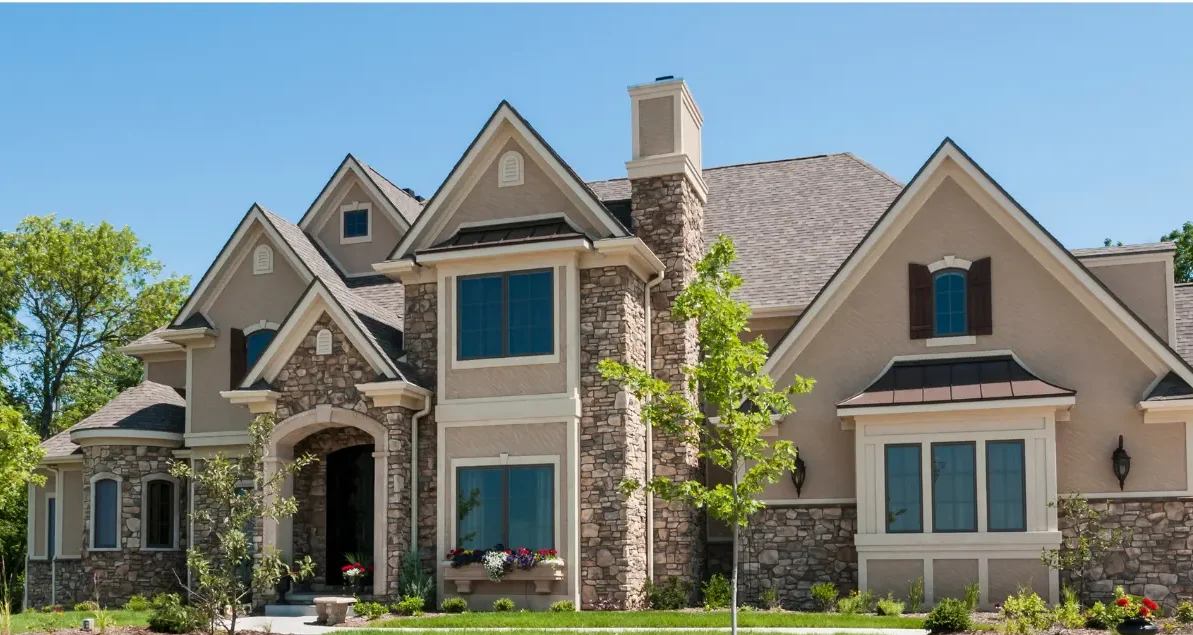
How to Choose the Right Neighborhood: Key Factors to Consider Finding the perfect home isn’t just about the property itself—it’s also about the neighborhood. The right location can impact your lifestyle, commute, and even the long-term value of your home. Whether you’re a first-time buyer or looking for a change, here are the key factors to consider when choosing the best neighborhood for you. 1. Affordability and Cost of Living Before falling in love with a neighborhood, ensure it aligns with your budget. Consider: Home prices and whether they fit your financial plan. Property taxes, which can vary by area. The cost of living, including groceries, utilities, and services. A great home in a desirable location is important, but it should also be financially sustainable for the long term. 2. Commute and Transportation Think about how easy it will be to get to work, school, or other important places. Consider: Proximity to highways, public transit, and major roads. Availability of bus routes, train stations, or bike-friendly paths. Traffic congestion during peak hours. A shorter, more convenient commute can improve your daily routine and work-life balance. 3. Schools and Education For families with children or those planning for the future, school quality is a top priority. Even if you don’t have kids, a home in a good school district tends to retain its value better. Look at: School rankings and performance. Proximity to elementary, middle, and high schools. Access to daycare centers and extracurricular programs. Good schools can be a major factor in long-term property appreciation. 4. Safety and Crime Rates A safe neighborhood provides peace of mind and a better quality of life. Research: Local crime rates and trends. Community initiatives for safety and neighborhood watch programs. Street lighting and overall neighborhood security. Talking to residents and checking online crime reports can give you a clear picture of an area’s safety. 5. Amenities and Lifestyle Consider what’s nearby to support your lifestyle and hobbies, such as: Grocery stores, restaurants, and shopping centers. Parks, gyms, and recreational facilities. Healthcare services and hospitals. A neighborhood with convenient amenities can make daily life easier and more enjoyable. 6. Future Development and Property Value Look into future development plans to see how the area might change over time. Check for: New businesses, schools, or public transit expansions. Real estate market trends and property appreciation. Community growth and infrastructure projects. An up-and-coming neighborhood can be a great investment, offering value appreciation over time. Final Thoughts Choosing the right neighborhood is just as important as choosing the right home. By considering factors like affordability, commute, schools, safety, amenities, and future growth, you can find a community that fits your needs and lifestyle. Need help finding the perfect neighborhood in Halifax or surrounding areas? Contact Christine Pinsent, a trusted realtor at Exit Metro Realty, for expert guidance on choosing the best location for your next home.

Top 10 Things First-Time Home Buyers Should Know Before Making an Offer
Top 10 Things First-Time Home Buyers Should Know Before Making an Offer Buying your first home is an exciting milestone, but it can also feel overwhelming. With so many factors to consider, it’s important to be well-prepared before making an offer. A home is one of the biggest investments you will ever make, so taking the right steps can save you from costly mistakes and unnecessary stress. Whether you’re buying in a competitive market or looking for a home in a quieter area, these ten key tips will help you make a smart and confident purchase. 1. Get Pre-Approved for a Mortgage Before you start searching for your dream home, it’s essential to get pre-approved for a mortgage. This process involves a lender reviewing your financial situation, including your income, credit score, and debt-to-income ratio, to determine how much you can borrow. Pre-approval not only helps you set a realistic budget but also strengthens your position as a buyer. Sellers are more likely to take your offer seriously if they know you have financing in place. Additionally, pre-approval allows you to lock in an interest rate, protecting you from potential rate increases while you search for a home. 2. Understand Closing Costs Many first-time buyers focus solely on saving for a down payment, but closing costs are another important financial consideration. These costs, which typically range from 1.5% to 4% of the home’s purchase price, include legal fees, land transfer taxes, title insurance, home inspection fees, and lender fees. Overlooking these costs can lead to unexpected financial strain when it’s time to close the deal. To avoid surprises, work with your realtor or lender to estimate closing costs early in the buying process. Being financially prepared ensures a smooth closing and prevents last-minute complications. 3. Research the Neighborhood The home itself is important, but its location can have an even greater impact on your quality of life and long-term investment. Before making an offer, spend time researching the neighborhood. Look into crime rates, school districts, access to public transportation, nearby amenities, and future development plans. If possible, visit the area at different times of the day to get a sense of the community and traffic patterns. A home in the wrong neighborhood, no matter how perfect, may not be the right fit for your lifestyle or future resale value. 4. Don’t Skip the Home Inspection A home may look perfect on the surface, but hidden problems could cost you thousands of dollars in repairs. A professional home inspection helps uncover potential issues such as foundation cracks, plumbing leaks, electrical hazards, or roofing problems. Skipping this step to save money can be a costly mistake, as even minor defects can quickly add up. If significant issues are discovered, you can negotiate repairs with the seller or, in extreme cases, walk away from the deal. A thorough inspection gives you peace of mind and helps you make an informed decision. 5. Know Your Must-Haves vs. Nice-to-Haves It’s easy to get caught up in the excitement of home shopping, but staying focused on your true needs is essential. Make a list of must-have features, such as the number of bedrooms, bathrooms, parking, or proximity to work. Then, create a separate list of nice-to-have features, such as a finished basement, a large backyard, or high-end appliances. While it’s great to find a home that checks all the boxes, being flexible can open up more options within your budget. Prioritizing needs over wants ensures you make a practical and satisfying purchase. 6. Be Ready to Act Fast In competitive markets, desirable homes can receive multiple offers within hours of being listed. If you find a home that fits your needs and budget, be prepared to act quickly. Delaying your decision could mean losing the property to another buyer. To stay ahead, work closely with your realtor to monitor new listings and be ready to submit a strong, well-prepared offer when the right home comes along. Being proactive and decisive can make all the difference in securing your ideal home. 7. Consider Future Resale Value Even if you plan to live in your new home for many years, it’s important to think about its resale value. Factors such as location, nearby developments, school ratings, and neighborhood desirability can affect the home’s appreciation over time. A home with good resale potential is a wise investment, as it will be easier to sell at a profit when the time comes. Avoid buying the most expensive house in the neighborhood, as its appreciation may be limited compared to surrounding properties. A strategic purchase today can lead to a profitable sale in the future. 8. Understand Your Loan Options There are different types of mortgage products available, and choosing the right one can save you thousands of dollars over the life of your loan. Fixed-rate mortgages offer stability with consistent payments, while variable-rate mortgages often start with lower rates but can fluctuate over time. Government programs may also be available to help first-time buyers with down payments or lower interest rates. Speak with a mortgage specialist to understand your options and determine what works best for your financial situation. A well-informed decision ensures you get the best terms possible. 9. Don’t Overextend Your Budget While it may be tempting to stretch your budget to afford your dream home, doing so can lead to financial stress. Lenders may approve you for a higher loan amount than you’re comfortable with, but that doesn’t mean you should spend the maximum. Consider future expenses such as maintenance, property taxes, and unexpected repairs. A home should enhance your financial well-being, not put you in a difficult position. Stick to a budget that allows for a comfortable lifestyle while still saving for future needs. 10. Work with a Trusted Realtor The home-buying process can be complex, especially for first-time buyers. A knowledgeable and experienced real estate agent will guide you through each step, from finding listings to negotiating offers and handling paperwork. A good realtor
Is Now the Right Time to Invest in Real Estate? Market Trends Explained Build Dream Home
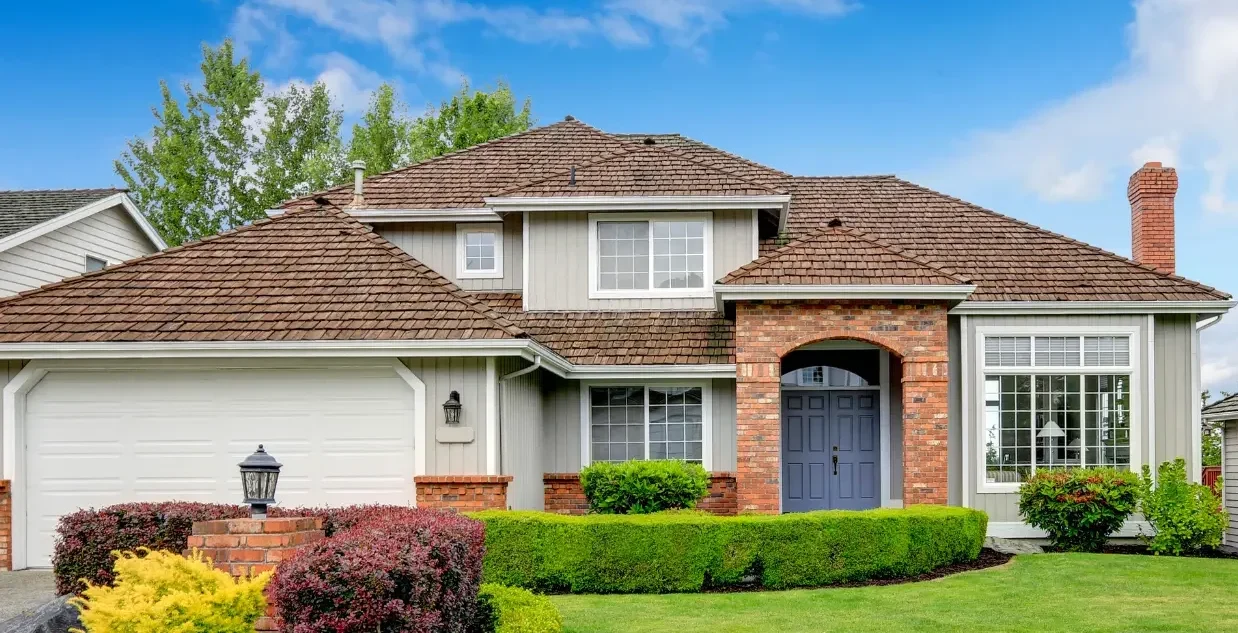
Is Now the Right Time to Invest in Real Estate? Market Trends Explained Build Dream Home Real estate has long been considered one of the best investment opportunities, offering stability, long-term appreciation, and passive income potential. But with fluctuating interest rates, shifting market trends, and economic uncertainty, many investors are left wondering: Is now the right time to invest in real estate? Let’s break down the key market trends and factors you should consider before making your move. 1. Interest Rates and Their Impact Interest rates play a major role in real estate investment. When rates are low, borrowing money becomes more affordable, leading to higher demand and rising property values. When rates increase, financing costs go up, which can slow down the market and create better opportunities for buyers looking for deals. Current Trend:Over the past few years, interest rates have fluctuated due to inflation concerns and economic policies. If rates are currently high, waiting for a potential decrease may seem appealing, but seasoned investors know that deals can still be found in any market if approached strategically. 2. Housing Supply and Demand The balance between supply and demand influences property prices and rental rates. In markets with low inventory and high demand, property values tend to rise, making it a seller’s market. In contrast, when supply outpaces demand, buyers have more negotiating power. Current Trend:In many areas, housing inventory remains low, driving prices up. However, new construction projects and economic shifts can gradually change this dynamic. Investors should keep a close eye on local trends, as some markets may be transitioning into a more balanced or buyer-friendly environment. 3. Rental Market Trends For investors considering rental properties, understanding rental market trends is crucial. Strong rental demand means higher occupancy rates and rental income, while an oversupply of rental units can lead to increased vacancies and rent reductions. Current Trend:Many urban centers continue to see strong demand for rental properties due to high home prices pushing buyers into the rental market. Additionally, markets with growing job opportunities, universities, or strong tourism appeal often offer reliable rental income potential. 4. Economic and Employment Conditions A strong local economy and job growth typically drive a healthy real estate market. Areas experiencing economic expansion, new business developments, or infrastructure improvements often see property values rise over time. Current Trend:While some regions are experiencing economic slowdowns, others are booming due to industry growth, government investments, or tech sector expansions. Investors should research economic indicators in their target areas to ensure long-term viability. 5. Government Policies and Incentives Government policies, tax incentives, and housing regulations can significantly impact real estate investments. First-time buyer programs, tax breaks for investors, and zoning changes can create opportunities or challenges in different markets. Current Trend:Some governments have introduced stricter regulations to cool overheated markets, while others are providing incentives for investors and homebuyers. Understanding local policies can help you make more informed investment decisions. 6. Is It the Right Time for You? Beyond market conditions, your personal financial situation and investment goals should guide your decision. Ask yourself: Do I have the capital needed for a down payment and closing costs? Can I handle potential vacancies or unexpected repairs? Am I looking for short-term gains or long-term wealth building? While market trends provide valuable insight, the best time to invest is when you are financially prepared and have a clear strategy. Final Thoughts: Should You Invest Now? The truth is, there is no single “perfect” time to invest in real estate. Instead, success comes from understanding market trends, making data-driven decisions, and working with experienced professionals to find the right opportunities. If you’re considering investing in real estate and want expert guidance, Christine Pinsent, a trusted realtor at Exit Metro Realty, is here to help. She can provide local market insights, identify the best investment opportunities, and guide you through the buying process. Contact Christine today to discuss your investment goals and find the right property for you!
How to Boost Your Home’s Value Before Selling – Simple Upgrades That Pay Off
How to Boost Your Home’s Value Before Selling – Simple Upgrades That Pay Off When selling your home, maximizing its value is key to attracting buyers and securing the best possible price. While major renovations can be costly and time-consuming, there are many simple and cost-effective upgrades that can significantly increase your home’s appeal. Whether you’re looking to sell soon or just want to add value to your property, these improvements can make a big difference. 1. Enhance Curb Appeal First impressions matter. The exterior of your home is the first thing potential buyers see, and a well-maintained front yard can instantly boost its perceived value. Simple Upgrades: Freshen up the landscaping with trimmed bushes, new mulch, and colorful flowers. Power wash the driveway, walkway, and siding. Repaint or replace the front door for a modern and inviting look. Upgrade outdoor lighting to enhance safety and aesthetics. Why It Pays Off: A home with strong curb appeal attracts more interest and can set the stage for a positive home tour. 2. Refresh Paint and Walls A fresh coat of paint is one of the easiest and most affordable ways to update your home’s interior. Neutral colors create a clean, bright, and inviting space that appeals to the widest range of buyers. Simple Upgrades: Choose neutral tones like soft grays, whites, and beiges for a modern and timeless look. Touch up scuff marks and repair any wall damage. Consider an accent wall for added style without overwhelming the space. Why It Pays Off: Fresh paint makes your home look well-maintained and move-in ready, helping buyers visualize themselves living there. 3. Upgrade Kitchen Features The kitchen is often considered the heart of the home, and minor updates can have a big impact without the need for a full renovation. Simple Upgrades: Replace outdated cabinet handles and knobs for a modern touch. Install a stylish backsplash to enhance visual appeal. Upgrade lighting fixtures to brighten the space. Consider refinishing or painting cabinets instead of replacing them. Why It Pays Off: Kitchens are a major selling point, and small improvements can make the space feel more updated and desirable. 4. Modernize Bathrooms Bathrooms are another key area where simple upgrades can make a big difference. Buyers love clean, fresh, and modern bathrooms. Simple Upgrades: Replace outdated faucets and hardware. Re-caulk the bathtub and shower for a fresh, clean look. Add new mirrors or vanity lighting to enhance brightness. Update towels, rugs, and accessories for a spa-like feel. Why It Pays Off: Buyers are drawn to homes with stylish and well-maintained bathrooms, making these upgrades a smart investment. 5. Improve Flooring Worn-out or outdated flooring can make an entire home feel less valuable. While installing brand-new flooring can be expensive, there are budget-friendly ways to refresh your floors. Simple Upgrades: Deep clean carpets or consider replacing them if they’re heavily worn. Refinish hardwood floors to bring back their natural shine. Use modern, durable vinyl planks for an affordable and stylish update. Why It Pays Off: Flooring improvements enhance the overall look and feel of your home, making it more attractive to buyers. 6. Maximize Storage and Organization Buyers love homes that feel spacious and well-organized. Making the most of your existing space can add significant value. Simple Upgrades: Declutter and remove unnecessary furniture to create an open, airy feel. Install closet organizers to make storage spaces more functional. Add built-in shelves or storage solutions in key areas like the kitchen or laundry room. Why It Pays Off: A well-organized home feels larger, more functional, and move-in ready, increasing buyer appeal. 7. Increase Energy Efficiency Energy-efficient homes are not only environmentally friendly but also cost-effective, making them highly attractive to buyers. Simple Upgrades: Replace old light bulbs with LED alternatives. Seal gaps around doors and windows to improve insulation. Install a smart thermostat to help control energy costs. Upgrade to energy-efficient appliances if possible. Why It Pays Off: Buyers appreciate lower utility costs, and energy-efficient features can make your home stand out. Final Thoughts: Small Upgrades, Big Returns You don’t need to spend a fortune to increase your home’s value. By making strategic and budget-friendly upgrades, you can attract more buyers and maximize your selling price. If you’re thinking about selling and want expert guidance on the best improvements to make, Christine Pinsent, a trusted realtor at Exit Metro Realty, is here to help. She can provide personalized advice and market insights to ensure you get the most value for your home. Contact Christine today to start preparing your home for sale!
