
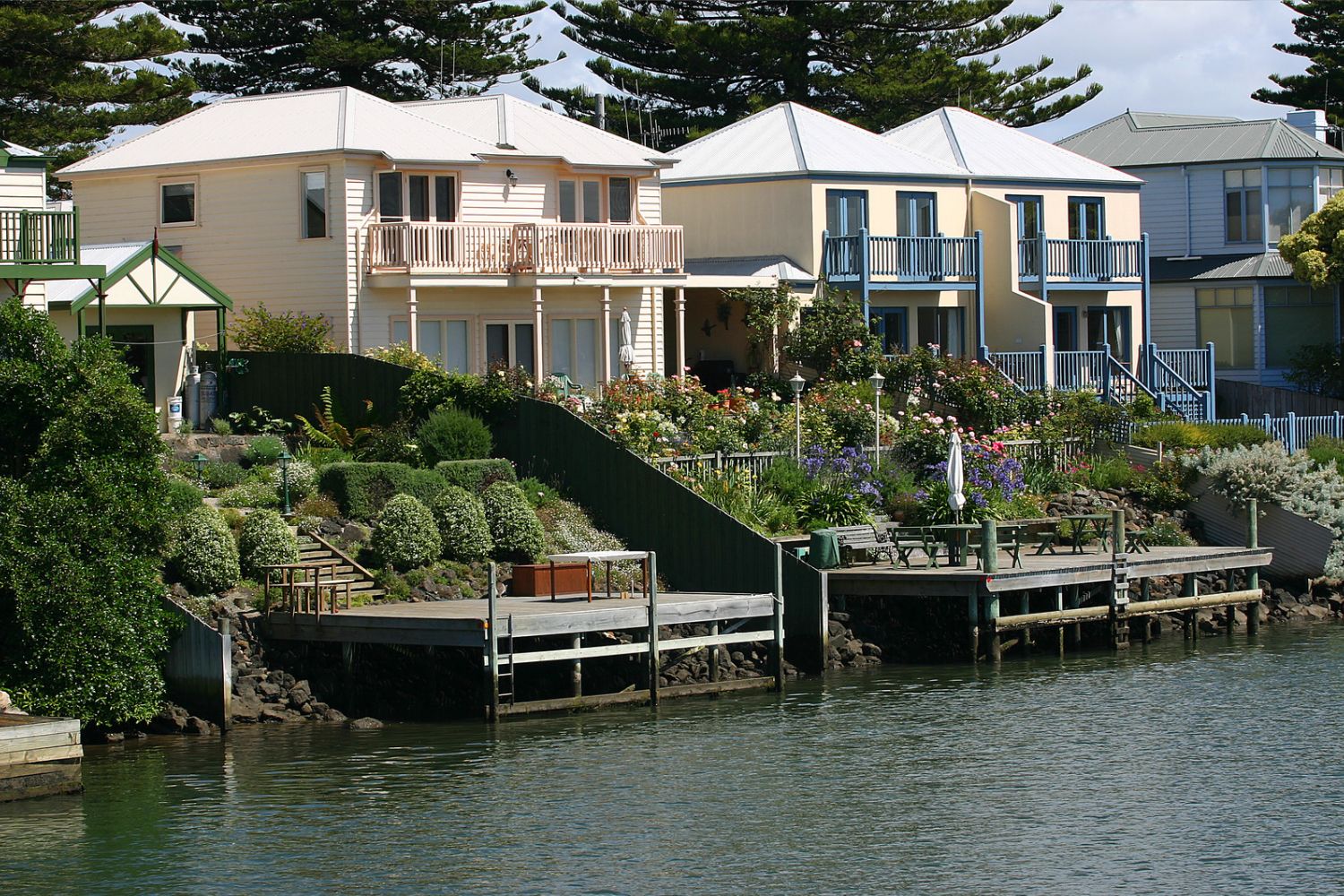
Buying a Waterfront Home in Nova Scotia: What Buyers Should Know Owning a waterfront home in Nova Scotia offers a lifestyle that many homebuyers dream about. Imagine waking up to ocean views, spending summer evenings beside a lake, or enjoying direct access to the shoreline just steps from your door. From coastal properties along the Atlantic Ocean to peaceful lakefront homes throughout the province, Nova Scotia offers a variety of waterfront living opportunities. However, buying a waterfront property involves more than choosing a beautiful location. Shoreline conditions, property boundaries, insurance requirements, maintenance costs, and environmental considerations can all affect the long-term value and enjoyment of your investment. Whether you’re searching for an oceanfront home near Halifax, a lakefront property in Fall River, or a coastal retreat elsewhere in Nova Scotia, understanding these factors can help you make a more informed decision. This guide explains what buyers should consider before purchasing a waterfront home in Nova Scotia, including property inspections, ownership responsibilities, and questions to ask before making an offer. 1. Understand the Different Types of Waterfront Properties Not all waterfront homes offer the same experience. Before beginning your search, consider what type of waterfront lifestyle best suits your needs. Oceanfront Homes Oceanfront properties offer coastal views, access to the shoreline, and the opportunity to enjoy Nova Scotia’s maritime landscape. Depending on the location, these homes may provide opportunities for kayaking, beach walks, boating, and other outdoor activities. However, coastal properties may face exposure to strong winds, salt air, storm surges, shoreline erosion, and changing weather conditions. These factors can influence maintenance requirements, insurance availability, and long-term property considerations. Lakefront Homes Lakefront properties are popular among buyers looking for swimming, kayaking, fishing, and peaceful surroundings. Communities around Halifax, including areas near Fall River, offer opportunities to explore properties close to lakes and other natural features. When considering a lakefront home, investigate water access, shoreline condition, seasonal water levels, and any restrictions affecting docks or other waterfront structures. Riverfront Properties Riverfront homes can offer scenic views and convenient access to outdoor recreation. However, buyers should investigate flooding history, water levels, erosion, and the property’s exposure to changing river conditions. The key is to evaluate the waterfront itself, not just the house. The quality of the shoreline, permitted uses, and long-term maintenance requirements can significantly influence your ownership experience. 2. Check Shoreline Access and Property Boundaries One of the most important considerations when buying waterfront real estate in Nova Scotia is determining exactly what you are purchasing. A property advertised as waterfront does not automatically guarantee unrestricted access to every part of the shoreline or permission to build structures along the water. Before making an offer, clarify the following: Does the property have direct and legally established waterfront access? Where are the surveyed property boundaries? Are there registered easements or rights-of-way affecting access? Are any docks, decks, stairs, or shoreline structures included in the sale? Are there restrictions on how the waterfront can be used? Does any portion of the shoreline fall under separate ownership or public access provisions? A current survey, title review, and advice from a qualified Nova Scotia real estate lawyer can help clarify these questions. If a dock, boathouse, private beach area, or shoreline staircase is important to you, verify its legal status rather than assuming it is permitted simply because it already exists. Understanding these details before closing can help prevent unexpected limitations after you take ownership. 3. Evaluate Shoreline Erosion, Flooding, and Coastal Risks Waterfront properties require additional attention to environmental conditions. A home may appear well maintained while the surrounding land is exposed to risks that are less obvious during a viewing. Shoreline Erosion Waves, currents, changing water levels, and weather can gradually affect the shoreline. Look for signs such as exposed roots, unstable ground, damaged retaining structures, or land that appears to have receded. Ask about any previous erosion concerns, shoreline repairs, and professional assessments. Flooding and Storm Exposure Coastal storms, heavy rainfall, and changing water levels can affect waterfront properties differently depending on their location and elevation. Before purchasing, investigate available flood-risk information and the property’s history of water intrusion or storm damage. Consider whether the home, driveway, septic system, well, or other important infrastructure could be affected. Climate and Long-Term Property Conditions Buyers should also consider how changing environmental conditions could affect the property over time. A waterfront location that looks attractive today may require additional maintenance or risk assessment in the future. Where concerns exist, consult qualified professionals who can assess the property’s specific exposure. Do not rely solely on the seller’s description or a brief visual inspection. 4. Arrange a Thorough Waterfront Property Inspection A standard home inspection is an important part of the buying process, but waterfront properties may require additional investigation. In addition to reviewing the home’s roof, foundation, electrical systems, plumbing, heating, and overall condition, consider whether specialized assessments are appropriate. Important areas to investigate include: Foundation and drainage: Look for cracks, signs of water intrusion, poor drainage, or evidence of previous repairs. Roof and exterior: Salt air, wind, and moisture can contribute to deterioration of roofing, siding, windows, fasteners, and exterior finishes. Shoreline structures: Docks, retaining walls, stairs, and other waterfront features may require a separate assessment. Water and wastewater systems: If the property uses a private well and septic system, investigate water quality, system condition, maintenance history, and suitability for the intended occupancy. Heating and ventilation: Confirm that the home’s heating system, insulation, and ventilation are suitable for the property and its exposure to coastal weather. A qualified home inspector can identify visible concerns and recommend further evaluation where necessary. Depending on the property, you may also need a septic professional, well-water specialist, structural engineer, or shoreline expert. The goal is to understand the home’s condition and identify potential expenses before committing to the purchase. 5. Investigate Well Water and Septic Systems Some waterfront homes in Nova Scotia rely on private wells and on-site wastewater systems rather than municipal services. These systems deserve particular attention

How to Maximize Your Home’s Value Before Selling in Halifax in 2025
How to Maximize Your Home’s Value Before Selling in Halifax in 2025 Selling your home is one of the biggest financial decisions you’ll make. To maximize home value Halifax homeowners need to focus on smart upgrades, staging, and market insights. In Halifax’s competitive 2025 real estate market, these steps can help you sell fast and for top dollar. Ready to get started? Visit our Seller Services or Contact Christine for personalized advice. How to Maximize Home Value Halifax Buyers Want in 2025 Buyer preferences evolve. In Halifax, 2025 buyers often look for: Updated kitchens and bathrooms Energy-efficient features and appliances Outdoor living spaces like decks or gardens Open-concept layouts and natural light Knowing these trends helps you prioritize upgrades that provide the best return on investment. Key Upgrades to Maximize Home Value Halifax Sellers Should Consider Kitchen Improvements The kitchen is a major selling point. Consider: Replacing outdated countertops with quartz or granite Upgrading appliances to energy-efficient models Installing modern fixtures and lighting Repainting cabinets or adding new hardware Bathroom Refresh A clean, modern bathroom can sway buyers: Replace worn-out tiles or grout Install new faucets and showerheads Add fresh paint and better lighting Energy Efficiency Enhancements Halifax buyers appreciate eco-friendly homes: Upgrade insulation and windows Install programmable thermostats Consider solar panels or efficient water heaters For more on energy-saving upgrades, check Natural Resources Canada’s energy tips. Boost Curb Appeal and Outdoor Spaces First impressions count. Enhance your home’s exterior with: Fresh landscaping and lawn care Pressure washing siding and walkways Painting or repairing the front door and trim Adding outdoor lighting and seating areas Many Halifax buyers value usable outdoor spaces for relaxing and entertaining. Learn more about home curb appeal on HGTV’s landscaping tips. Declutter, Depersonalize, and Stage Your Home A tidy, neutral space lets buyers imagine themselves living there. Tips include: Remove personal photos and excess furniture Organize closets and storage areas Use neutral paint colors Consider professional staging to highlight your home’s best features Professional staging services are available locally — see options on our Seller Services page. Price and Market to Maximize Home Value Halifax Work with a Halifax realtor to price your home competitively. Pricing too high can deter buyers; too low means lost value. Christine Pinsent offers expert market analysis tailored to your neighbourhood to find the sweet spot. Learn about pricing strategies in our Halifax real estate market update. Market Smart with Professional Photography and Online Presence In 2025, most buyers start online. High-quality photos and virtual tours increase views and interest. Christine’s marketing strategies include: Professional real estate photography Targeted social media ads Listing on MLS and local real estate platforms For more on the power of real estate photography, visit National Association of Realtors. Final Checklist Before Listing Complete necessary repairs and cleaning Gather important documents (warranties, manuals, permits) Schedule a pre-listing home inspection if desired Plan for showings and open houses Why Choose Christine Pinsent to Help You Maximize Value and Sell? With deep Halifax market knowledge and a commitment to personalized service, Christine helps sellers highlight their home’s strengths, avoid costly mistakes, and close deals successfully. Ready to maximize your home’s value? Contact Christine today!📧 Email: christine@maritimehomes.ca📞 Phone: +1 902-830-9077

Common Well Water Issues in Nova Scotia — And How to Fix Them Before You Sell
Common Well Water Issues in Nova Scotia — And How to Fix Them Before You Sell In Nova Scotia, private wells are a common source of household water — especially in rural and suburban communities. While well water is often clean and cost-effective, it’s not without its quirks. From iron staining to bacteria concerns, water quality can play a big role in how buyers perceive your home. If you’re planning to sell, it’s important to identify and address any well water issues in advance. Here’s a breakdown of the most common problems in Nova Scotia — and how to solve them before they impact your sale. 1. Bacterial Contamination Issue: Presence of coliform bacteria or E. coliWhy it matters: Bacteria in well water is a red flag for buyers and may lead to a failed mortgage condition. Solution:Shock chlorination is a common method for disinfecting wells. In some cases, ongoing treatment systems (like a UV filter) may be recommended. Always follow up with a re-test to confirm the issue has been resolved — and have the report ready for buyers. 2. Iron and Manganese Issue: These minerals are naturally occurring in Nova Scotia groundwater and often cause orange or black staining in sinks, tubs, laundry, and even hair. Solution:An iron filter or oxidizing system can effectively reduce levels. If your system is older, consider servicing or upgrading it to avoid maintenance concerns from buyers. 3. Hard Water Issue: High concentrations of calcium and magnesium lead to mineral buildup in plumbing and appliances, and reduce soap effectiveness. Solution:Install or service a water softener. Highlighting this feature during showings can be a selling point, especially if the buyer is new to well systems. 4. Sulphur or “Rotten Egg” Smell Issue: Caused by hydrogen sulfide gas, it creates an unpleasant odour in tap water. Solution:This can often be resolved with shock chlorination or a specialized filtration system. Make sure the smell is gone before listing — it’s one of the most noticeable turn-offs during a showing. 5. Low Pressure or Output Issue: A common concern, especially with older wells or high household water use. Solution:Have your pump and pressure tank checked by a licensed professional. Sometimes the solution is as simple as flushing sediment from the system or adjusting the pressure switch. 6. Cloudy or Discoloured Water Issue: Sediment, tannins, or rust can give water a murky appearance. Solution:Sediment filters or activated carbon filters may solve this issue. Have your water professionally tested to pinpoint the cause and choose the right treatment. Bonus Tip: Provide Recent Water Test Results Don’t wait for a buyer to request a test — get ahead of it. A recent, clean water test from an accredited lab shows your system is in good standing and builds trust. A proactive approach to water quality not only boosts buyer confidence — it can also help your home sell faster and at a better price. Have questions about getting your water and well system sale-ready?Reach out to Christine Pinsent at +1 902-830-9077 or christine@maritimehomes.ca to book a consultation or request a market assessment.

How to Prepare Your Well and Septic System Before Listing Your Home
How to Prepare Your Well and Septic System Before Listing Your Home When preparing to sell a rural or semi-rural property in Nova Scotia, most homeowners think of interior upgrades, landscaping, and staging. However, if your home is serviced by a private well and septic system, those systems deserve just as much attention — if not more. Buyers are increasingly cautious about water safety and waste management, and neglecting these areas can result in lost offers or downward price negotiations. Here’s a step-by-step guide to ensure your well and septic systems are market-ready — and won’t be a dealbreaker when buyers come knocking. 1. Perform a Water Quality Test Nova Scotia homes that rely on well water must meet provincial safety standards. Prospective buyers — and their lenders — often require recent water test results before moving forward with an offer. Water should be tested for: Bacteria: Such as E. coli and total coliforms. Nitrates and Nitrites: Often a concern in areas with farming or older septic systems. Minerals and Metals: Iron, manganese, arsenic, and lead can impact taste, appearance, and health. Testing is best done through a certified lab, and ideally performed before listing so you have time to fix any issues. 2. Schedule a Septic Inspection In Nova Scotia, a typical buyer may include a septic inspection as part of their conditions. Why not get ahead of it? Hire a licensed septic inspector to evaluate your system. They’ll look for: Tank condition and capacity Evidence of leakage or failure Performance of the drainage field Proper functioning of baffles and filters A clean bill of health puts buyers at ease — and gives you confidence heading into the negotiation phase. 3. Pump the Tank If Needed If it’s been more than 3–5 years since your last septic pump-out, now’s the time. Pumping the tank can also help your inspection go smoother and avoids surprises (and odours!) during showings. Save your receipt — it’s proof of recent maintenance. 4. Document Everything Keep your records organized: water test results, septic pump-out receipts, maintenance logs, and any recent repairs or upgrades. Buyers appreciate transparency and are more likely to trust a seller who can show a strong track record of responsible system care. 5. Make Minor Repairs and Tidy Up Replace broken or unsecured well caps. Ensure the area around the wellhead is clean and accessible. Repair or replace missing riser covers on the septic tank. Trim back vegetation or remove items stored around your systems. These small fixes signal pride of ownership and help create a clean first impression during walkthroughs. 6. Be Prepared to Educate Buyers Many first-time rural buyers aren’t familiar with private water and septic systems. If your systems are in good working order, take the opportunity to explain how they work and what maintenance looks like. You may even want to leave a brief info sheet at your showing or open house. Well & Septic Concerns? Here’s How to Make Them an Advantage Selling a home with a well and septic system doesn’t have to be complicated — but it does require preparation. With the right steps, you can turn potential concerns into selling points. Need expert guidance on getting your home market-ready?Contact Christine Pinsent at +1 902-830-9077 or email christine@maritimehomes.ca for personalized support on selling your home in Nova Scotia.
